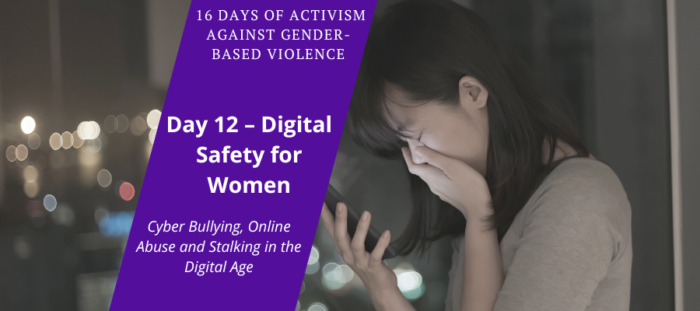
In the ever-evolving landscape of domestic abuse, the digital age introduces a new, insidious dimension – cyberbullying and online abuse. As our lives become increasingly intertwined with the digital realm, it’s crucial to recognize how these digital tactics can escalate into stalking, a common feature of domestic abuse.
Understanding this evolving side of domestic abuse is crucial in crafting a response that addresses the complexities of our interconnected world.
Cyberbullying, a form of digital abuse, is not restricted by physical proximity. Abusers exploit the expansive reach of the internet to harass, control, and intimidate their victims. Social media platforms, messaging apps, and online forums become battlegrounds where power dynamics play out in a new and often more covert manner.

The digital age provides abusers with new tools for manipulation and coercion. From monitoring social media activities to using technology for surveillance, the online realm becomes an extension of control. Constant connectivity transforms into a weapon, isolating victims and eroding their independence.
In cases of domestic abuse, the digital realm serves as an extension of the physical environment. Abusers may use technology to amplify the impact of their control, including sending threatening messages, spreading false information, or using revenge porn as a means of coercion. The intersection of domestic and online abuse creates a complex web that survivors must navigate.
Online abuse and harassment manifests in many forms, from cyberbullying to trolling, flaming, doxing, outing, and fraping. Perpetrators employ personal information, abusive messaging, and bullying behaviour to inflict emotional distress. Social media platforms often serve as their preferred battleground, where they hide behind fake or hacked profiles to target victims.
Addressing online abuse requires an understanding of the legal landscape surrounding digital harassment. Laws and regulations vary, and navigating the complexities of reporting and prosecuting online abuse poses unique challenges. As technology continues to advance, legal frameworks must adapt to ensure robust protection for survivors of digital domestic abuse.
The psychological toll of cyberbullying and online abuse is profound. Victims may experience anxiety, depression, and a sense of constant fear. The digital realm, which should be a space for connection and expression, transforms into a source of trauma. Addressing the mental health impact requires a holistic approach that combines psychological support with legal and technological interventions.
Empowering survivors in the digital age involves a multi-faceted approach. Education on online safety, privacy settings, and digital literacy is crucial. Support services, both online and offline, should be equipped to address the unique challenges posed by digital abuse. Collaboration between tech companies, law enforcement, and advocacy groups is essential to create a safer online environment.

Breaking the silence surrounding digital domestic abuse requires a collective effort. Tech companies play a pivotal role in developing tools to prevent and address online abuse. Governments must enact and enforce laws that protect individuals from digital harassment. Society as a whole must foster a culture that rejects online abuse, supporting survivors and holding perpetrators accountable.
Head here for the full blog on stalking.
As we navigate the complexities of the digital age, we must confront the realities of domestic abuse that extend beyond physical boundaries. By raising awareness, advocating for legal reforms, and fostering a culture of digital empathy, we can contribute to a world where the online realm is free from the shadows of domestic abuse.
If you or someone you know is experiencing digital domestic abuse or any form of domestic abuse, please reach out to us at DAVSS. You are not alone.

Nationally there are a range of helplines available, including (but not limited to):-
If you are local to DAVSS (West Kent) you might also want to look at PAS (Protection against Stalking)